Key takeaways
- 13 days on market, sold on a full-price offer, for a 1978 building one family had owned for 48 years.
- A 3.5% adjustment after inspection: the buyer opened with a large credit request, as nearly every buyer does today, and we settled it well below his first number as a price change, with the physical contingencies removed in exchange.
- 4.38% to 5.00%: the five-year Treasury the day it went into escrow and the day the deed recorded. The price held through it.
- $1,665,000, or $237,857 a unit and $285 a square foot, 3.5% under the list price.
Sale price, recorded October 14, 2026
$1,665,000
Seven units on two parcels in Santa Clarita, built 1978
Per unit
$237,857
Days on market
13 days
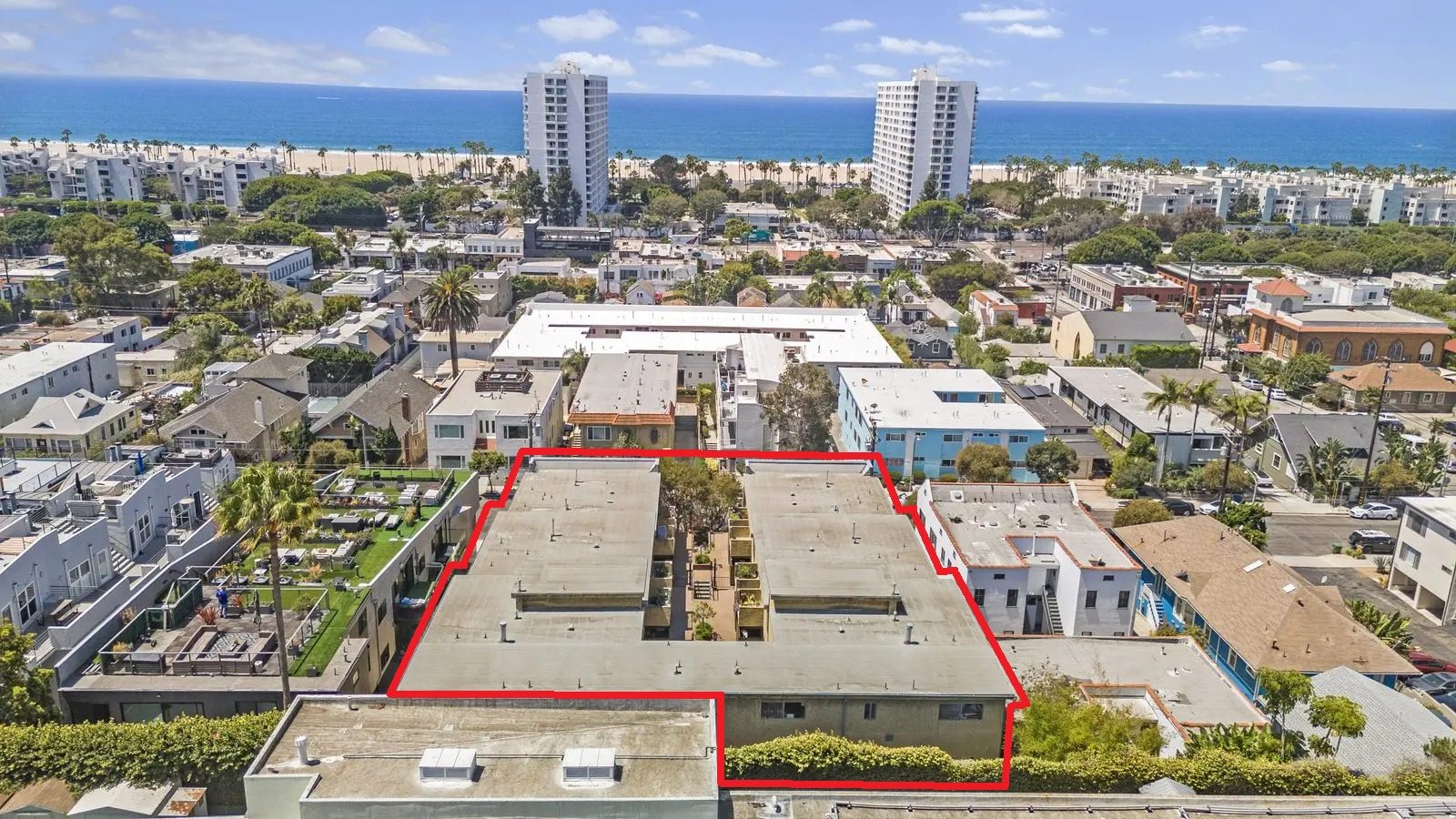
The LAAA Team of Marcus & Millichap has closed the sale of 24802 and 24806 Walnut Street, seven apartments on two adjoining parcels at the corner of Walnut and 14th Street in Santa Clarita, for $1,665,000. A family built the property in 1978 and kept it for 48 years. This summer the owners' children asked us to sell. The deed recorded on October 14, 2026, our second sale of a long-held building on Walnut Street in thirteen months.
What sold?
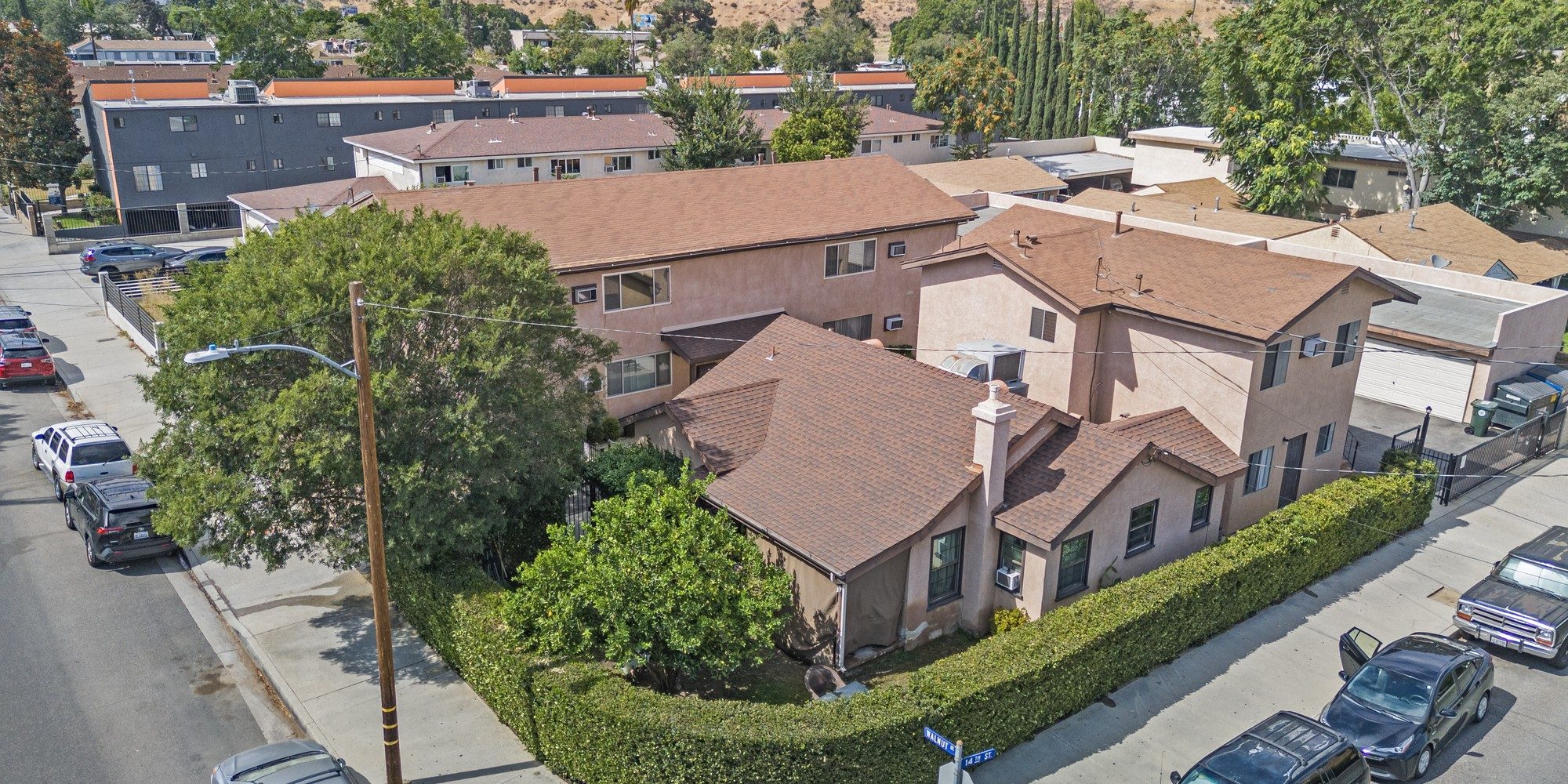
Seven units on two adjoining parcels, about a quarter acre at the corner of Walnut and 14th Street, built in 1978 and owned by the same family until this sale.
Three units sit on one parcel and four on the other: a studio, five one-bedroom units and a two-bedroom, with gated parking and five two-car garages. The building falls under the statewide AB 1482 rent cap; Santa Clarita has no local apartment rent control. The garages give a new owner something to study under the state's ADU rules.
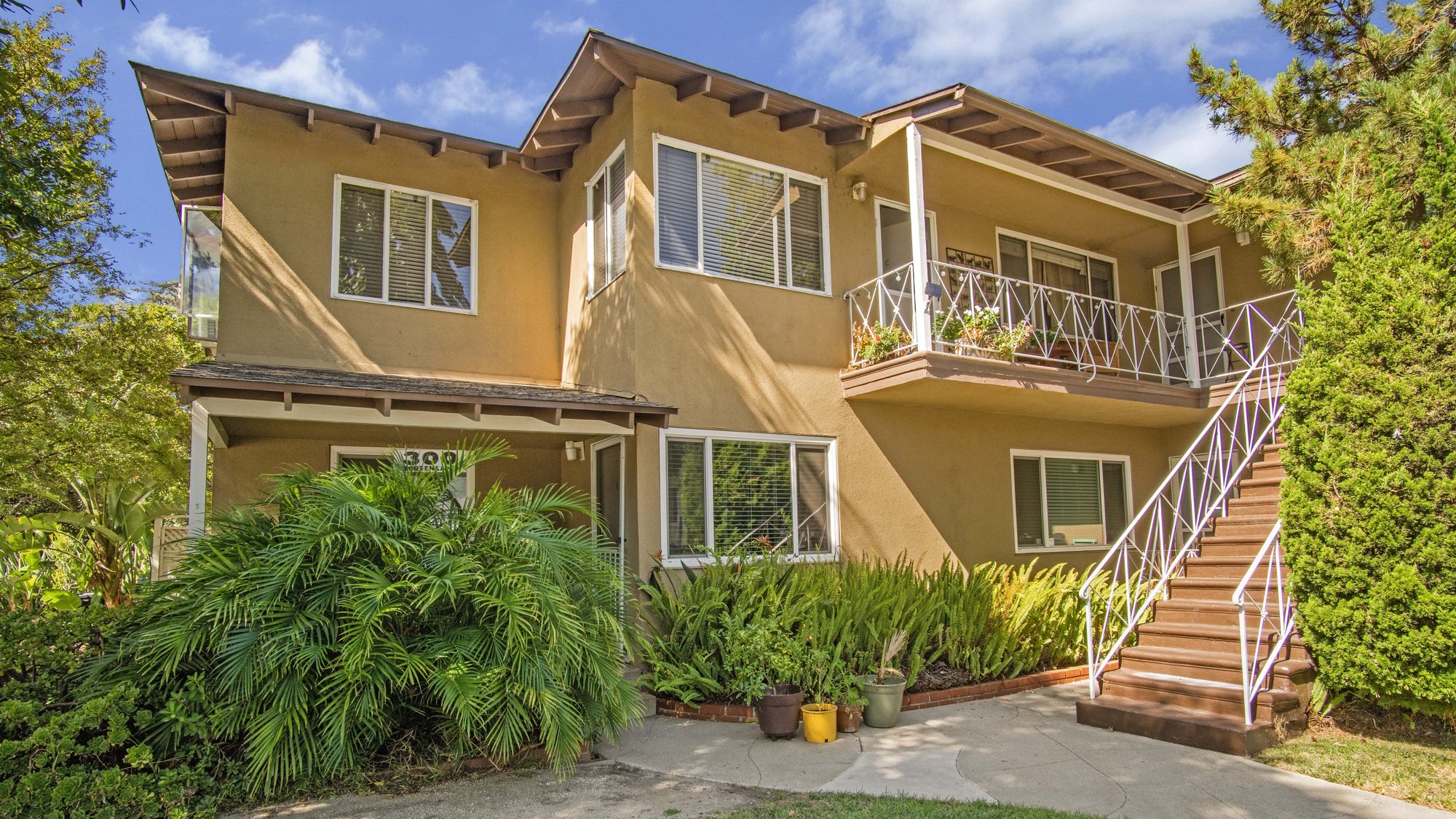
A 1978 building that has never changed hands comes with a 1978 building's list: original roofs, galvanized plumbing, the old electrical panels. None of that was hidden, and none of it stopped the sale.
How did it sell in thirteen days?
By phone. The email and the listing sites put the building in front of thousands of investors, and the calls found the few who were buying this summer instead of waiting.
We listed the two parcels together on July 30 at $1,725,000, one of three buildings the family offered at the same time across the Santa Clarita Valley. The Just Listed email went to about 10,000 investors that afternoon, the listing went up on laaa.com and every site we post to, and the MLS network logged more than 1,100 views over the marketing period. That is the part everyone sees.
Logan Ward's first calls went to the investors who had been in the running on 24966 Walnut Street, the nine-unit building we sold up the street in September 2025, people who already knew the street and had lost once. Next came the buyers active on similar buildings we had recently closed or still had on the market. Then the team's calling campaign.
What we heard back across the family's three buildings says a lot about this year's market. One investor asked why he would borrow at 6.5% to earn 5.5%. Another said nothing pencils right now. A third wanted seller financing, and more than one said they would wait. The buyers who were not waiting were a short list, and we called every one of them.
Eleven days after launch, a local investor working with Logan wrote a full-price offer at $1,725,000. The sellers countered on terms, not price, and it went into escrow on August 12, thirteen days after launch, the first of the family's three buildings to go into escrow.
13 days on market, recorded on day 76
Days from the July 30, 2026 launch
View the data
| Step | Date | Day |
|---|---|---|
| Full-price offer | August 10 | 11 |
| In escrow | August 12 | 13 |
| Inspection price agreed | August 28 | 29 |
| Deed recorded | October 14 | 76 |
What happened at the inspection?
The buyer asked for a large credit, as nearly every buyer does in this market. We kept it well below his first number, took it as a 3.5% price adjustment instead of a repair list, and had the physical contingencies removed in exchange.
In today's market almost every sale gets a credit request after inspection. It is a buyer's market for small apartment buildings, and a broker's job is to keep that request within reason, not to pretend it will not come.
What the buyer's contractor found is what we see on most long-held buildings: electrical panels of a brand insurance carriers now flag, roofs near the end of their life, original plumbing, and the smaller safety items, gas shut-off valves, smoke and carbon monoxide alarms, strapped water heaters. None of it was hidden, and none of it is unusual for a 1978 building with one owner.
The work was in the preparation. Before the request arrived, Logan walked the sellers through the inspection items so the number would not be a surprise. He asked the buyer to back his request with contractor estimates, so it could be checked against real costs rather than taken on faith. The buyer knew other investors were still interested. And Logan went back to everyone who had toured or bid, so the sellers would know exactly what a relisting was likely to bring before they decided.
The request came in high. After close to an hour on the phone about the property's long-term upside, the buyer came down well below his opening number, and the two sides agreed to take it as a change in the price rather than a list of repairs, with the physical contingencies removed entirely. The sellers agreed to $1,665,000 on August 28, 3.5% under the list price, and the sale never went back to market.
What did interest rates do while it was in escrow?
They rose. The five-year Treasury, the benchmark most apartment loans price from, went from 4.38% the day it went into escrow to 5.00% the day the deed recorded, and the price did not move.
The Federal Reserve raised its rate on September 16, its first increase since 2023. The ten-year Treasury reached 5.31% on October 5, its high for the year. In late September our lender partners were quoting five-year fixed apartment loans at roughly 6.3% to 7.0%. That is the market the investor who asked about borrowing at 6.5% to earn 5.5% was describing.
An escrow opened in August with a 60-day close carried those two months of rate risk on both sides. What held this one together was a price set by a full-price offer and an inspection agreement, with the physical contingencies already gone, so the rest of escrow was paperwork and the calendar.
The five-year Treasury rose from 4.38% the day it went into escrow to 5.00% the day the deed recorded
Five-year Treasury yield, monthly average of daily closes, 2026
View the data
| Month | Yield |
|---|---|
| Jan | 3.78% |
| Feb | 3.68% |
| Mar | 3.85% |
| Apr | 3.94% |
| May | 4.15% |
| Jun | 4.21% |
| Jul | 4.33% |
| Aug | 4.38% |
| Sep | 4.80% |
| Oct | 5.00% |
How did it close?
The appraisal cleared, and the last contingencies came off on October 13. The deed recorded the next morning, October 14, 63 days after it went into escrow and 76 days after launch.
While it was in escrow, buyers kept calling: an investor asking to be the backup, an acquisitions group asking for the package, a backup offer through an outside broker. We told each of them the truth, that we were under contract and would call if that changed, and we never had to make that call. Logan represented both the sellers and the buyer, so the inspection period, the contingency removals and the closing calendar sat on one desk from start to finish.
Transaction highlights
- Seller motivation: the second generation of the family that built the property, selling for the first time since 1978.
- Buyer: a local investor. Logan Ward of our team represented both the sellers and the buyer.
- Terms: a full-price offer eleven days after launch and in escrow on day thirteen; one price change after inspection, in exchange for removing the physical contingencies; recorded 63 days after escrow opened.
- The number: $1,665,000, or $237,857 a unit and $285 a square foot, a 5.55% cap rate and a 10.88 gross rent multiplier on the sale price.
What should an owner of a similar building take from this?
The buyers for a long-held small building are specific people, an inspection request is a negotiation rather than an ending, and the buyers who are not waiting on rates pay what the building earns if they are found quickly.
The investors who had just lost a similar building a few blocks away were the first calls on Walnut Street, and the right ones. An inspection request on a decades-old property is normal, and the way through it is a number both sides can live with and a contingency coming off in exchange, not a repair list. And in a year when many buyers are waiting on rates, the ones who are not still pay a fair price, as long as someone finds them before the building goes stale.
Apartment buildings in Santa Clarita rarely change hands, and family-held ones less often. If you own one in the Santa Clarita Valley or the north San Fernando Valley and want to know what it would bring today, we would welcome the conversation.
Sources
- Board of Governors of the Federal Reserve System, H.15 Selected Interest Rates: www.federalreserve.gov
- Five-year Treasury constant maturity, daily, through FRED (DGS5): fred.stlouisfed.org
- Ten-year Treasury constant maturity, daily, through FRED (DGS10): fred.stlouisfed.org
- Federal Reserve, implementation note of September 16, 2026: www.federalreserve.gov
- California Civil Code 1947.12 (AB 1482): leginfo.legislature.ca.gov
Sale facts are from LAAA Team transaction records for 24802 and 24806 Walnut Street. Lender quotes are indicative pricing from September 2026, not a loan offer. This story is market information, not legal, tax or financing advice.